Nutrition blog


Introduction of nutrition
Nutrition is the biochemical and physiological process by which an organism uses food to support its life. It includes ingestion, absorption, assimilation, biosynthesis, catabolism and excretion.[1]
The science that studies the physiological process of nutrition is called nutritional science (also nutrition science).
Nutritional group
Main article: Primary nutritional groups
Organisms primarily provide themselves with carbon in one of two ways: autotrophy (the self-production of organic food) and heterotrophy (the consumption of existing organic carbon). Combined with the source of energy, either light (phototrophy) or chemical (chemotrophy), there are four primary nutritional groups for organisms.[2]
Nutrients
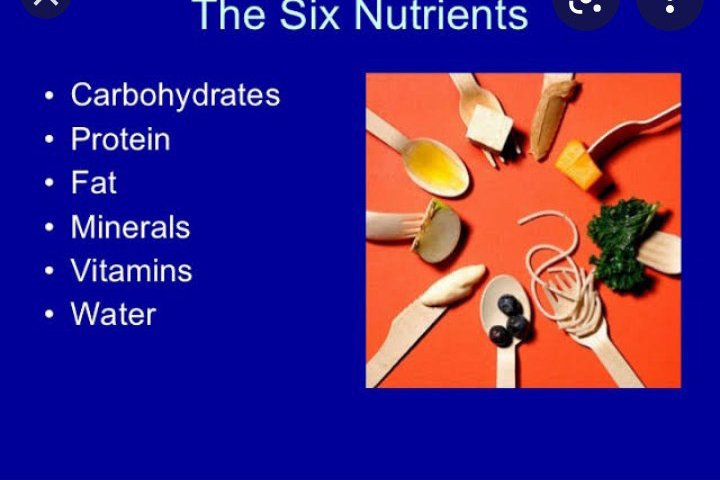
Nutrients are substances used by an organism to survive, grow, and reproduce. The seven major classes of relevant nutrients for animals (including humans) are carbohydrates, dietary fiber, fats, proteins, minerals, vitamins, and water. Nutrients can be grouped as either macronutrients (carbohydrates, dietary fiber, fats, proteins, and water needed in gram quantities) or micronutrients (vitamins and minerals needed in milligram or microgram quantities).
Diet
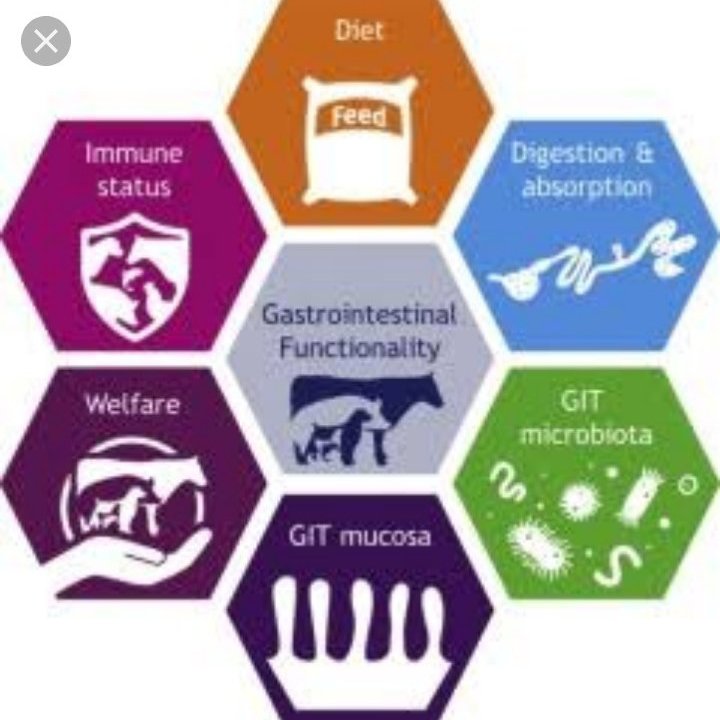
In nutrition, the diet of an organism is the sum of foods it eats, which is largely determined by the availability and palatability of foods.

Human nutrition
Human nutrition deals with the provision of essential nutrients from food that are necessary to support human life and good health.[3]
In humans, poor nutrition can cause deficiency-related diseases such as blindness, anemia, scurvy, preterm birth, stillbirth and cretinism,[4] or nutrient excess health-threatening conditions such as obesity[5][6] and metabolic syndrome;[7] and such common chronic systemic diseases as cardiovascular disease,[8] diabetes,[9][10] and osteoporosis.[11][12][13] Undernutrition can lead to wasting in acute cases, and stunting of marasmus in chronic cases of malnutrition.[4]

Animal nutriAnimal nutrition focuses on the dietary nutrients needs of animals, often in comparison (or contrast) to other organisms like plants. Carnivore and herbivore diets are contrasting, with basic nitrogen and carbon proportions vary for their particular foods. Many herbivores rely on bacterial fermentation to create digestible nutrients from indigestible plant cellulose, while obligate carnivores must eat animal meats to obtain certain vitamins or nutrients their bodies cannot otherwise synthesize. Animals generally have a higher requirement of energy in comparison to plants.[14]
Plant nutrition
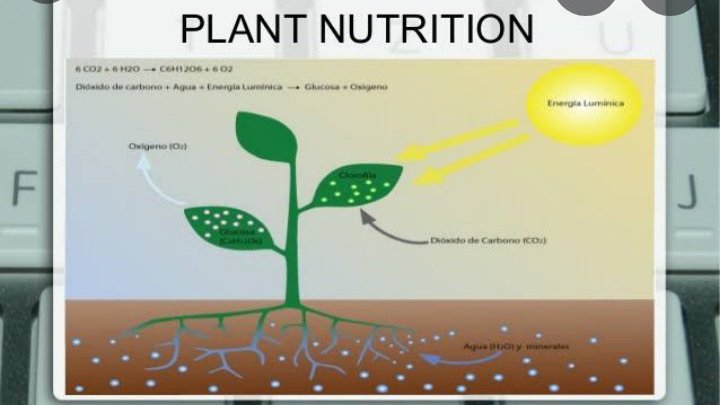
Plant nutrition is the study of the chemical elements that are necessary for plant growth.[15] There are several principles that apply to plant nutrition. Some elements are directly involved in plant metabolism. However, this principle does not account for the so-called beneficial elements, whose presence, while not required, has clear positive effects on plant growth.
A nutrient that is able to limit plant growth according to Liebig’s law of the minimum is considered an essential plant nutrient if the plant cannot complete its full life cycle without it. There are 16 essential plant soil nutrients, besides the three major elemental nutrients carbon and oxygen that are obtained by photosynthetic plants from carbon dioxide in air, and hydrogen, which is obtained from water.
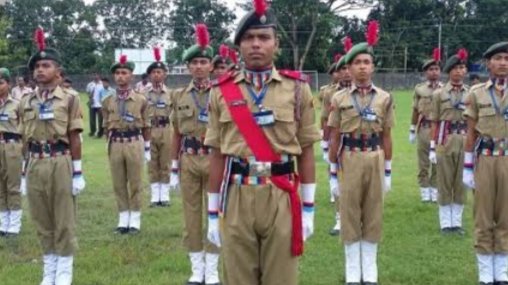
NCC camp
ACTIVITIES OF NATIONAL CADET CORPS
- Institutional training conducted at Colleges and Schools is the mainstay of NCC training and is conducted by Associate NCC Officers and Armed Forces personnel. The syllabus comprises Common Subjects and Service Subjects in the ratio 70:30. While the Senior Wing/Division training is for three years and has 300 periods the Junior Wing/Division training is for two years and encompasses 240 periods of training. The training year is from 01 Apr to 31 March. Training schedules planned for cadets ensure that the optimum benefits of the organisation reach maximum number of cadets. Emphasis is on practical training. Case study method of instruction, wherever possible, is made to facilitate active participation and better
- Camp training
Camp training is the practical manifestation of institutional training. The basic aim of Camps is to introduce cadets to a regimented way of life and helps in developing camaraderie, team work, leadership qualities, self-confidence, self-reliance and dignity of labour in the cadets. The cadets are exposed to the excitement of camp life where they apply the theoretical knowledge that they had gained in Institutional Training. It is mandatory for Junior Division/ Junior Wing cadets to attend at least one camp and Senior Division/ Senior Wing cadets to attend a minimum of two camps during the period of their enrolment. NCC conducts over 1450 camps annually at an average frequency of more than 100 camps in a month. Each NCC Camp is structured for approximately 400 – 600 cadets with Instructional staff comprising three to four officers and 15-20 Associate NCC Officers (ANOs)/ Permanent Instructors (PI) Staff/ Whole Time Lady Officers (WTLOs)/ Girl Cadet Instructors (GCIs). More than 8 lakh cadets attend these camps each year. Republic Day camp is the acme of NCC training and is conducted in January every year. The various types of camps conducted by the NCC are as follows:-
Annual Republic Day Camp
The Annual Republic Day Camp (RDC) is held at Garrison Parade Ground, Delhi Cantt every year from 01 Jan to 29 Jan. 2070 selected NCC cadets from all States and Union Territories attend the camp. This camp represents all parts of India and is a ‘Mini India’ in itself. The camp is normally inaugurated by the Vice President of India in the first week of Jan and culminates with the Prime Minister’s Rally on 28 January. It is a matter of great pride for a cadet to be selected to represent his/ her state in the Republic Day Camp.