Introduction of nutrition
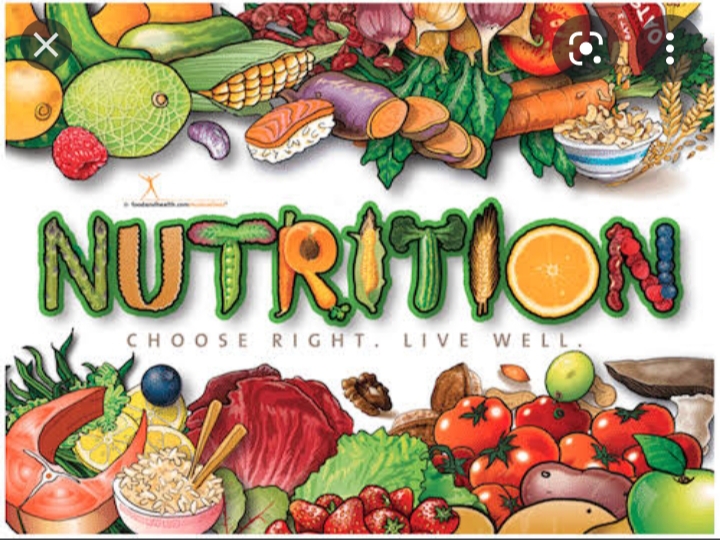
Nutrition is the biochemical and physiological process by which an organism uses food to support its life. It includes ingestion, absorption, assimilation, biosynthesis, catabolism and excretion.[1]
The science that studies the physiological process of nutrition is called nutritional science (also nutrition science).
Nutritional group
Main article: Primary nutritional groups
Organisms primarily provide themselves with carbon in one of two ways: autotrophy (the self-production of organic food) and heterotrophy (the consumption of existing organic carbon). Combined with the source of energy, either light (phototrophy) or chemical (chemotrophy), there are four primary nutritional groups for organisms.[2]
Nutrients
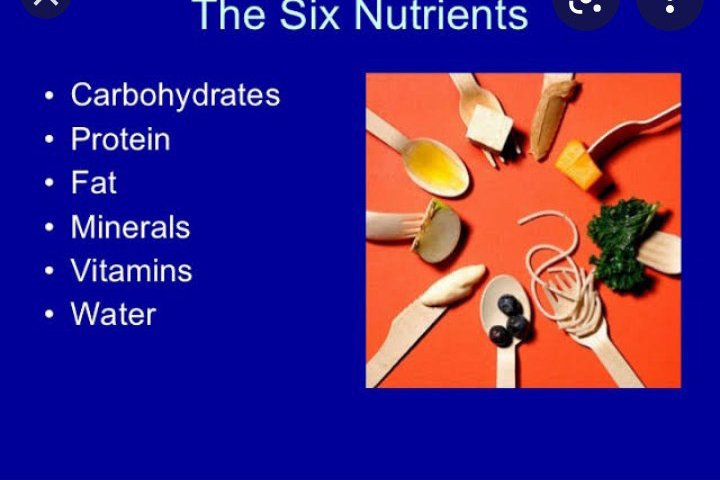
Nutrients are substances used by an organism to survive, grow, and reproduce. The seven major classes of relevant nutrients for animals (including humans) are carbohydrates, dietary fiber, fats, proteins, minerals, vitamins, and water. Nutrients can be grouped as either macronutrients (carbohydrates, dietary fiber, fats, proteins, and water needed in gram quantities) or micronutrients (vitamins and minerals needed in milligram or microgram quantities).
Diet
In nutrition, the diet of an organism is the sum of foods it eats, which is largely determined by the availability and palatability of foods.

Human nutrition
Human nutrition deals with the provision of essential nutrients from food that are necessary to support human life and good health.[3]
In humans, poor nutrition can cause deficiency-related diseases such as blindness, anemia, scurvy, preterm birth, stillbirth and cretinism,[4] or nutrient excess health-threatening conditions such as obesity[5][6] and metabolic syndrome;[7] and such common chronic systemic diseases as cardiovascular disease,[8] diabetes,[9][10] and osteoporosis.[11][12][13] Undernutrition can lead to wasting in acute cases, and stunting of marasmus in chronic cases of malnutrition.[4]

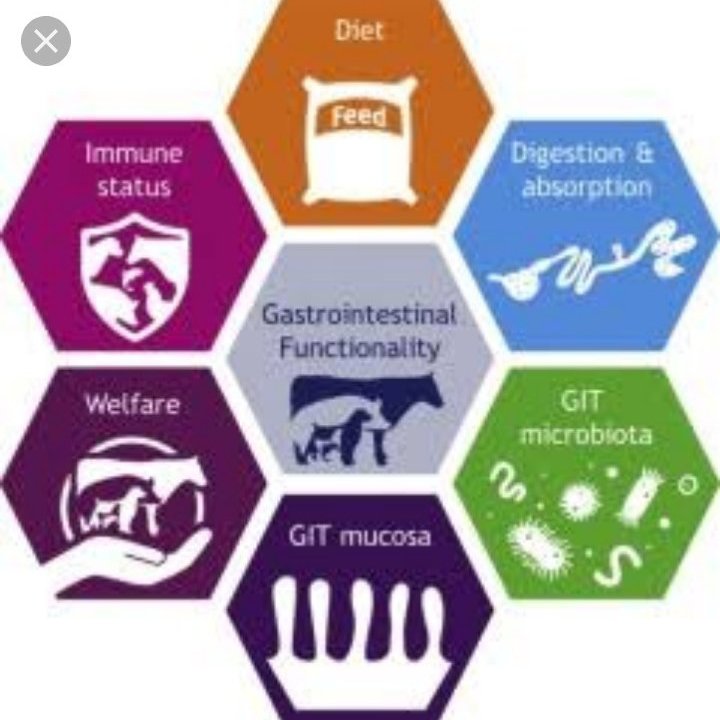
Animal nutriAnimal nutrition focuses on the dietary nutrients needs of animals, often in comparison (or contrast) to other organisms like plants. Carnivore and herbivore diets are contrasting, with basic nitrogen and carbon proportions vary for their particular foods. Many herbivores rely on bacterial fermentation to create digestible nutrients from indigestible plant cellulose, while obligate carnivores must eat animal meats to obtain certain vitamins or nutrients their bodies cannot otherwise synthesize. Animals generally have a higher requirement of energy in comparison to plants.[14]
Plant nutrition
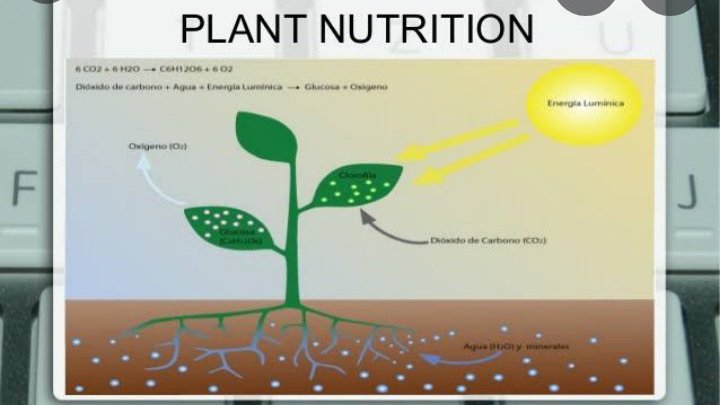
Plant nutrition is the study of the chemical elements that are necessary for plant growth.[15] There are several principles that apply to plant nutrition. Some elements are directly involved in plant metabolism. However, this principle does not account for the so-called beneficial elements, whose presence, while not required, has clear positive effects on plant growth.
A nutrient that is able to limit plant growth according to Liebig’s law of the minimum is considered an essential plant nutrient if the plant cannot complete its full life cycle without it. There are 16 essential plant soil nutrients, besides the three major elemental nutrients carbon and oxygen that are obtained by photosynthetic plants from carbon dioxide in air, and hydrogen, which is obtained from water.
 Site Title